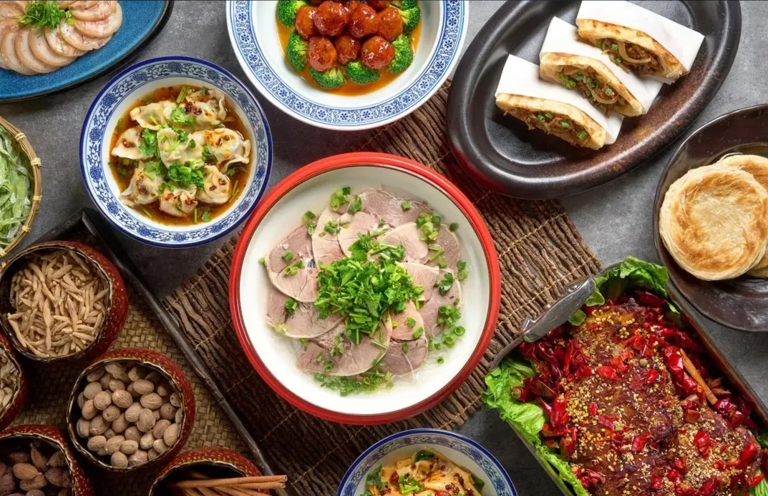
What to Eat for Breakfast in Beijing: 8 Traditional Foods, Local Shops & Ordering Tips
If you’re trying a traditional Beijing breakfast for the first time, start with tangyoubing (sweet fried dough), doufunao (savory tofu pudding), chao gan, miancha, and sesame-paste shaobing. If you’re feeling more adventurous, add fermented douzhi with crispy jiaoquan rings, mending meat pies, or beef-filled steamed buns.
If you want to sample several snacks at one stop, Huguosi Snacks is a practical choice. And if you’re visiting the Temple of Heaven in the morning, Yin San Douzhi nearby is a great place to experience a distinctive local breakfast.
Many international visitors spend their first morning in Beijing eating toast, eggs, and coffee at the hotel. There’s nothing wrong with that. But I think you should set aside at least one morning to eat where local residents eat.
Beijing’s breakfast culture is part of everyday neighborhood life: shops opening before sunrise, freshly fried dough coming out of the oil, bowls of warm tofu pudding, and people lining up for steamed buns before work. Some flavors will feel familiar; others might challenge your expectations. Here’s a local-style guide to eight foods worth knowing, specific places to try them, and the ordering mistakes to avoid.

1. Eight Traditional Beijing Breakfast Foods Worth Trying
1. Douzhi and Jiaoquan (豆汁儿配焦圈): Beijing’s Most Unusual Breakfast Pairing

Typical price: ¥6–15 for the combination
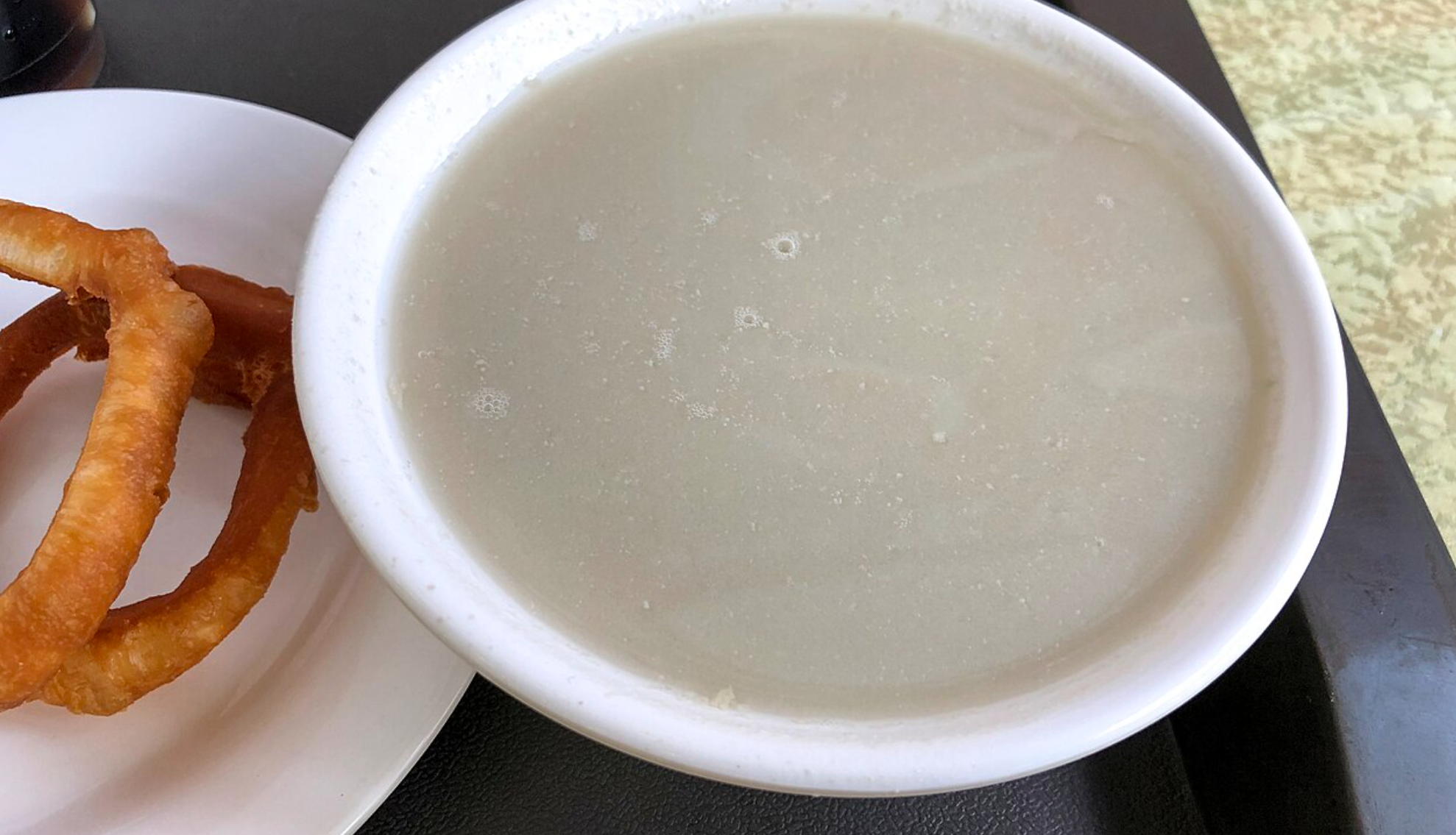
Douzhi may be Beijing’s most polarizing traditional breakfast drink. It’s made by fermenting the liquid left from processing mung beans, giving it a pale gray-green color and a sharp sour aroma.
If you’ve never tried it, the flavor can resemble a strongly fermented plant-based drink. For long-time fans in Beijing, though, it’s a comforting taste tied to childhood and neighborhood breakfast stalls.
Douzhi is traditionally served with jiaoquan, crisp golden rings of deep-fried dough, and sometimes finely shredded pickled vegetables. Think of jiaoquan as a thinner, crunchier cousin of youtiao (Chinese fried dough sticks).
My recommendation: start with a small bowl of douzhi and one jiaoquan. If you don’t enjoy it, that’s perfectly fine. Even Chinese visitors from outside Beijing can find the flavor surprising.
One distinction matters: douzhi (豆汁儿) is not doujiang (豆浆). Doujiang is ordinary soy milk, typically much milder and made from soybeans, while douzhi is a fermented mung-bean drink.
Where to try it: Yin San Douzhi, Temple of Heaven branch (尹三豆汁·天坛店)
- Chinese address: 北京市东城区东晓市街176号
- English address: 176 Dongxiaoshi Street, Dongcheng District, Beijing
- Published hours: Approximately 5:30 a.m.–12:30 p.m.; reconfirm before you go.
- Sightseeing pairing: Temple of Heaven’s northern side.
This is an easy breakfast stop to combine with a morning at the Temple of Heaven. The Beijing tourism website also lists its douzhi and jiaoquan among the local specialties.
2. Chao Gan (炒肝): A Thick, Garlicky Pork-Offal Breakfast

Typical price: ¥10–25 per bowl
The name chao gan is sometimes translated as “stir-fried liver,” but that can be misleading. You aren’t ordering a plate of stir-fried liver.
Traditional Beijing chao gan is a thick, glossy dish made with pork liver, pork intestines, garlic, and seasoned starch-thickened sauce. The garlic aroma is strong, and the texture is much richer than an ordinary soup.
There’s an old Beijing custom of holding the bowl and sipping it from the edge rather than using a spoon. Feel free to use a spoon, though; there’s no need to turn breakfast into a performance.
A classic pairing is a steamed bun stuffed with pork and scallions.
Important dietary note: Chao gan contains pork and offal. It isn’t suitable for visitors who avoid pork or organ meats.
Where to try it: Tianxingju, Xianyukou branch (天兴居·鲜鱼口店)
- Chinese address: 北京市东城区鲜鱼口街81—83号
- English address: 81–83 Xianyukou Street, Dongcheng District, Beijing
- Published hours: Around 7:00 a.m.–8:00 p.m.; check the current listing.
- Sightseeing pairing: Qianmen and Dashilar historic shopping streets.
This long-established Beijing snack restaurant is known for chao gan and steamed buns. It makes a convenient breakfast stop before exploring the Qianmen area.
3. Miancha (面茶): Savory Millet Porridge with Sesame Paste

Typical price: ¥5–12 per bowl
Despite the word cha (tea) in its name, miancha isn’t tea. It’s a thick breakfast porridge traditionally made from millet flour or other grain flour, finished with sesame paste and seasoned sesame salt.
Some shops may blend sesame and peanut paste. The result is nutty, salty, deeply aromatic, and comforting.
The texture might remind you a little of porridge, but the flavor is entirely different from sweet oatmeal.
Traditionally, people often sip it around the rim without stirring all the sesame paste into the porridge. A spoon is absolutely fine for your first try.
I’d recommend miancha before douzhi if you’re cautious about unfamiliar flavors. It’s distinctive without having douzhi’s fermented sourness.
Allergy warning: Ask whether the topping contains sesame, peanuts, or both.
Where to try it: Huguosi Snacks, flagship shop (护国寺小吃总店)
- Chinese address: 北京市西城区护国寺大街93号
- English address: 93 Huguosi Street, Xicheng District, Beijing
This is one of the easiest traditional snack shops for sampling several Beijing breakfast foods at once.
4. Doufunao (豆腐脑): Soft Savory Tofu Pudding

Typical price: ¥5–12 per bowl
Doufunao is a silky, extremely soft tofu pudding, almost like a delicate custard. Across China, it comes in both sweet and savory versions. In Beijing, savory doufunao is a familiar breakfast choice.
A bowl may be topped with a glossy sauce containing wood ear mushrooms, daylily buds, shiitake mushrooms, or other ingredients, depending on the shop.
The combination of smooth tofu and savory gravy is especially welcoming if you don’t feel ready for the strong flavors of douzhi or chao gan.
Where to try it: Zengshengkui Snack Shop (增盛魁小吃店)
- Chinese address: 北京市东城区大佛寺东街26号
- English address: 26 Dafosi East Street, Dongcheng District, Beijing
This local breakfast shop is known for doufunao and tangyoubing. My first order here would be one bowl of savory tofu pudding and one sweet fried pancake.
Vegetarians should confirm the sauce: some versions contain meat stock, dried shrimp, or other animal-derived ingredients.
5. Tangyoubing (糖油饼): A Sweet, Crispy Fried Breakfast Pancake

Typical price: ¥4–10 each
If you enjoy doughnuts or sweet fried bread, tangyoubing is one of the easiest Beijing breakfast foods to fall in love with.
It’s made by frying dough with a sweetened layer, often giving the top a darker brown, almost caramelized appearance. Freshly made tangyoubing is crisp around the edges, softer inside, and fragrant with sugar and fried dough.
Many locals pair it with savory doufunao or soy milk, creating a sweet-and-savory breakfast.
It’s rich, so I’d buy just one to try rather than ordering several immediately.
Where to try it: Heiyaochang Tangyoubing (黑窑厂糖油饼)
- Traditional Tao’ranting-area listing: 黑窑厂街黑窑厂18号楼底商 (ground-floor shop at Building 18, Heiyaochang Street, Xicheng District).
- Important: This business has had location changes and additional branches. Check the exact current branch address and morning service hours in Amap rather than relying on an old online article.
The Tao’ranting neighborhood is a good area to combine with this breakfast. If you’re making a special trip, confirm that the location you choose is actually selling freshly fried tangyoubing that morning.
6. Sesame-Paste Shaobing (麻酱烧饼): Flaky, Nutty Baked Bread

Typical price: ¥3–10 each
Don’t want a fermented drink or organ meats? Try majiang shaobing.
This traditional baked flatbread is made by folding layers of dough with sesame paste and seasonings, then baking it until the outside is golden and crisp. Some versions are also coated with sesame seeds.
The inside is layered and fragrant rather than fluffy like a Western dinner roll. You can eat it on its own or pair it with egg, beef or lamb, or a warm soup.
Where to look: Niujie (牛街), a well-known area for Beijing’s Hui Muslim food traditions. You’ll find sesame breads, beef-filled versions, and other baked snacks there.
Make sure you know whether you’re buying a plain sesame-paste shaobing or one stuffed with meat. If you have a sesame allergy, avoid this dish.
Photo note: The image shows a sesame-coated Beijing-style shaobing; recipes and sesame-paste fillings differ by shop.
7. Mending Meat Pie (门钉肉饼): Juicy Beef Pie Shaped Like a Door Stud

Typical price: ¥8–18 each
Mending roubing takes its name from the large round metal studs once used on traditional Beijing gates. The pies are thick and rounded, rather than thin and flat.
A common halal Beijing-style version uses minced beef and scallions. The pies are pan-fried until lightly browned, leaving a juicy meat filling inside.
Be careful with your first bite. Freshly cooked meat pies can release very hot juices. Bite a small opening, let the steam escape, and then continue eating.
Where to try it: Baikui Laohao, Jiaodaokou branch (白魁老号饭庄·交道口店)
- Chinese address: 北京市东城区交道口南大街158号
- English address: 158 Jiaodaokou South Street, Dongcheng District, Beijing
- Sightseeing pairing: Nanluoguxiang and the Drum Tower area.
This long-established halal-style restaurant is associated with traditional Beijing foods, including mending meat pies. Check whether the pies are available during the breakfast hours on your chosen day; dishes may not be served all day.
8. Beef Baozi (牛肉包子): Familiar, Filling Steamed Buns

Typical price: ¥3–8 each, depending on size
Steamed buns, or baozi, aren’t exclusive to Beijing. You’ll find them in many parts of China. But beef and lamb versions from traditional halal snack shops are well worth trying while you’re here.
A beef baozi is made by wrapping a seasoned minced-beef filling in soft dough and steaming it until fluffy. Beef-and-scallion buns are a particularly satisfying breakfast choice.
For travelers new to Chinese breakfast food, baozi is one of the most approachable options. Pair a couple of buns with soy milk or another warm drink.
Where to try it: Hongji Snacks, Niujie branch (牛街洪记小吃店)
- Chinese address: 北京市西城区牛街12号
- English address: 12 Niujie Street, Xicheng District, Beijing
Look for beef-and-scallion or lamb buns at the appropriate counter. Popular items can sell out and queues are possible during the morning rush.
Photo note: The picture shows Beijing baozi as an example; the filling in the photographed buns has not been verified as beef.
2. Seven Beijing Breakfast Shops Worth Considering
Instead of crossing Beijing every morning for one snack, choose breakfast spots near the attractions you’re already visiting.
| Breakfast shop | Chinese address | Pair it with |
|---|---|---|
| Yin San Douzhi (Temple of Heaven) | 东晓市街176号 | Temple of Heaven |
| Tianxingju (Xianyukou) | 鲜鱼口街81—83号 | Qianmen and Dashilar |
| Zengshengkui Snack Shop | 大佛寺东街26号 | East-city hutongs and the National Art Museum area |
| Huguosi Snacks (Flagship) | 护国寺大街93号 | Huguosi Street and Shichahai |
| Baikui Laohao (Jiaodaokou) | 交道口南大街158号 | Nanluoguxiang and Drum Tower |
| Hongji Snacks (Niujie) | 牛街12号 | Niujie and Fayuan Temple area |
| Heiyaochang Tangyoubing | 黑窑厂街黑窑厂18号楼底商 (historical location; verify) | Taoranting Park |
If you only have time for one stop, I would start with Huguosi Snacks or Zengshengkui. Both make it easier to try more than one classic breakfast dish without navigating across several neighborhoods.
If fermented douzhi is specifically on your list, go to Yin San Douzhi near the Temple of Heaven instead.
3. What Time Do People Eat Breakfast in Beijing?
Traditional breakfast shops can open surprisingly early. Some begin serving around 5:30–7:00 a.m., and queues may build as commuters stop on their way to work.
But not every restaurant serves its entire breakfast menu all day. Some shops finish before lunch, and popular items can run out sooner.
For a first-time visitor, I recommend eating between 7:00 and 9:00 a.m. It’s early enough to enjoy a more authentic breakfast atmosphere without needing to get up before sunrise.
If you’re visiting the Temple of Heaven, try Yin San Douzhi first. For Qianmen or Dashilar, Tianxingju is a logical stop. If you’re exploring the old lanes around the Drum Tower or Huguosi Street, have breakfast nearby before walking.
And if you’re planning a morning in the old city, our half-day Beijing hutong walking route can help you connect a breakfast stop with Nanluoguxiang, the Drum Tower, and Shichahai.
Don’t try to eat all eight foods at seven different shops in one morning. Spread them over two or three mornings if you have the time.
4. How to Order Beijing Breakfast Without Speaking Chinese
Many traditional breakfast shops don’t have a complete English menu. Some require you to order and pay at a counter, then collect your food with a receipt at a separate serving window.
Others simply hand you the food when you order.
Here are a few phrases you can save and show the staff:
| Show this Chinese | What it means |
|---|---|
| 我要一碗豆腐脑 | One bowl of savory tofu pudding, please. |
| 我要一个糖油饼 | One sweet fried pancake, please. |
| 我要两个牛肉包子 | Two beef buns, please. |
| 这个有猪肉吗? | Does this contain pork? |
| 这个是甜的还是咸的? | Is this sweet or savory? |
| 可以少放辣椒吗? | Could you make it less spicy? |
| 一共多少钱? | How much is it altogether? |
| 可以打包吗? | Can I get it to go? |
The simplest approach is to show the dish’s Chinese name or a photo. Keep the restaurant’s Chinese address saved on your phone too.
Many shops accept Alipay and WeChat Pay. International travelers can use these services with eligible overseas bank cards in supported situations, though a particular small-business payment code may not accept every overseas card. Carry a little RMB cash as a backup.
For practical steps on setting up payment before you travel, see our guide to Alipay, WeChat Pay, foreign cards, and cash in China. If you’re not familiar with QR menus or counter ordering yet, our guide to ordering food in Chinese restaurants covers the different systems in more detail.
5. Six Common Breakfast Mistakes to Avoid
Mistake 1: Ordering chao gan without knowing what’s inside
Chao gan isn’t just pork liver: it usually contains pork intestines too. If you avoid pork or organ meats, skip this dish or ask for something else.
Mistake 2: Confusing douzhi with soy milk
Douzhi is fermented and tangy. Ordinary doujiang (soy milk) is much milder. If you just want something comforting to drink, ask for 豆浆 instead.
Mistake 3: Ordering too much at once
Tangyoubing, shaobing, meat pies, and steamed buns are filling. If you’re traveling together, order two or three dishes to share, then see whether you want more.
Mistake 4: Assuming every Beijing breakfast restaurant serves pork
Some well-known snack shops in Niujie and around Huguosi specialize in halal food. They don’t serve traditional pork-liver-and-intestine chao gan. Look at the individual restaurant and dish rather than assuming all Beijing snack shops have the same menu.
If you have strict religious dietary requirements, verify the shop’s halal practices and the actual ingredients rather than relying on the neighborhood name alone.
Mistake 5: Forgetting to check the current address, queue, and breakfast hours
Some popular breakfast businesses have moved or opened extra locations, and older online guides may lead you to the wrong shop. Check the precise Chinese business listing in Amap before leaving.
Our guide to the best map apps for China explains why Chinese place names are particularly useful for local restaurants.
Don’t risk missing a 9:00 a.m. attraction reservation because one breakfast queue is longer than expected.
Mistake 6: Thinking every “must-try” food has to taste good to you
Beijing breakfast has a broad range of flavors. Douzhi, chao gan, and miancha can be quite distinctive. If you don’t like one of them, that doesn’t mean you’re missing the point of Chinese food.
Start with what sounds appealing and treat the more unusual dishes as optional adventures.
6. How Much Should You Budget for Beijing Breakfast?
For ordinary local breakfast shops, ¥15–30 per person is often a useful starting budget for a main dish and a warm drink or tofu pudding.
If you’re sampling three or four traditional snacks, set aside around ¥30–50 per person, depending on portions and what you share.
| Breakfast budget | What you could order |
|---|---|
| ¥10–20 | Douzhi with jiaoquan, or a simple steamed-bun breakfast |
| ¥20–35 | Tangyoubing, doufunao, and perhaps another small snack |
| ¥35–50 | A shared tasting of two or three specialties plus drinks |
These are approximate planning figures, not verified live menu prices. For the best variety, two people can split a few different snacks rather than each ordering a complete set.
Final Thoughts: Start Your Beijing Morning Like a Local
If you’re visiting Beijing for the first time, I’d make time for at least one breakfast outside your hotel.
You don’t need a fancy restaurant or an expensive food tour. A warm bowl of doufunao, a freshly fried tangyoubing, or chao gan served with steamed buns can introduce you to a side of Beijing that doesn’t appear in the usual sightseeing photographs.
For the easiest start, choose tangyoubing, doufunao, and beef baozi. If you’re curious about a genuinely unusual Beijing flavor, try a small bowl of douzhi with jiaoquan.
Some of the city’s most memorable experiences happen long before the big attractions open, in ordinary streets where people are lining up for breakfast on their way to work.
Updated November 2026. Prices are estimates. Restaurant hours, menus, and addresses may change, so confirm the current listing in Amap before visiting. Images illustrate the food types and do not claim to show dishes prepared at each recommended restaurant.