How to Visit Mutianyu Great Wall from Beijing: Tickets, Cable Car, Toboggan & Day-Trip Tips

Visiting the Great Wall for the first time? My recommendation is to take a reputable direct tourist bus from Beijing, book your Mutianyu admission with your passport, and use the enclosed cable car to reach the Wall near Watchtower 14. From there, walk as far as your fitness and schedule allow, then return to the same cable-car station.
If the toboggan ride sounds more fun, you can instead choose the open-air chairlift near Watchtower 6 and descend by toboggan—provided the ride is operating and you meet the safety requirements. These are two different lift systems with separate tickets, so it’s worth deciding before you pay.
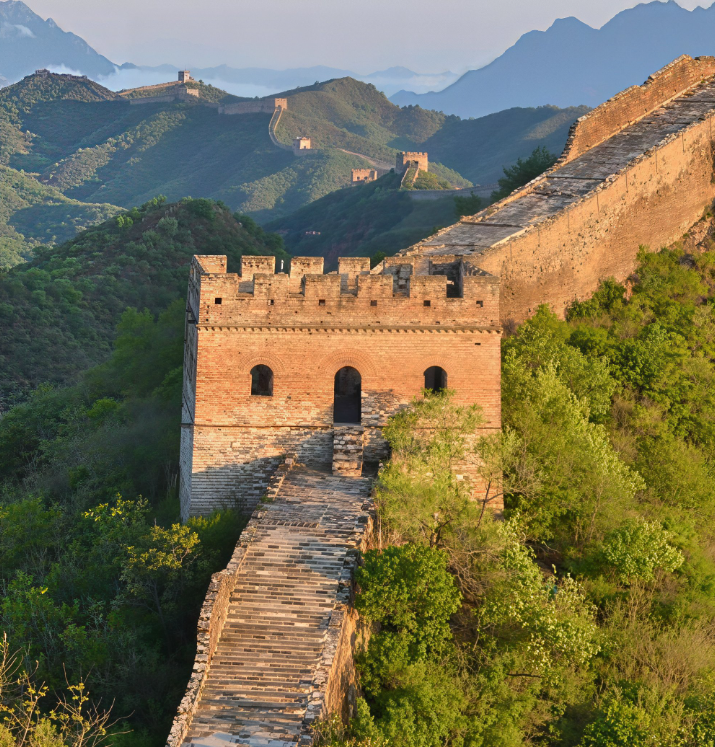
The Mutianyu Great Wall (慕田峪长城) is in Beijing’s Huairou District, roughly 70-plus kilometers from central Beijing. It combines restored Ming-dynasty walls, watchtowers scattered over wooded ridges, and several ways to reach the top.
But first-time international travelers naturally have questions. Does a ¥40 entry ticket include the cable car? Is a chairlift the same as a cable car? Where do you catch the bus from Beijing? And why is there another shuttle bus after you arrive?
Here’s how I’d organize the visit from a local Chinese travel perspective—without unnecessary transfers, confusing ticket combinations, or expensive extras.
1. Is Mutianyu Worth Visiting? How Does It Compare with Badaling?
Yes. If you want to walk on the Great Wall while enjoying beautiful mountain scenery, Mutianyu is one of my favorite choices for a first visit to Beijing.
Mutianyu is part of the Ming Great Wall and is particularly known for its many watchtowers, undulating ridge-top route, and thick forest on the surrounding slopes.
Badaling is arguably the better-known Great Wall destination, but Mutianyu offers different experiences: an enclosed gondola cable car, an open-air chairlift, and a popular alpine-style toboggan slide.
On an ordinary weekday, certain stretches of Mutianyu may feel less crowded than the busiest parts of Badaling. That isn’t guaranteed, though. Weekends, National Day holidays, and the autumn leaf season can also be extremely busy here.

One expectation to set in advance: the Great Wall isn’t a flat park path. Even after riding the cable car, you’ll find steps, slopes, and sometimes uneven stone surfaces. Wear shoes suitable for walking rather than choosing footwear solely for photographs.
If you’re in Beijing for just three or four days and plan to visit only one Great Wall section, Mutianyu is a very strong option.
2. Mutianyu Tickets: What Does Admission Include?
The basic admission ticket covers entry to the Great Wall scenic area, not every ride or transfer inside it.
The official booking channels may show ¥40 for a standard electronic adult ticket and ¥45 for a postcard-style adult ticket. Different English-language information pages sometimes show only the ¥45 option, so use the actual official checkout price as your final reference.
| Ticket or service | Reference price | Important detail |
|---|---|---|
| Adult entrance ticket (standard e-ticket) | ¥40 | Wall admission only |
| Adult entrance ticket with postcard | ¥45 | Optional souvenir ticket |
| Eligible reduced entry ticket | From ¥20 | Check age, nationality and document requirements |
| Scenic-area shuttle, return | ¥15 | Visitor center to wall-access area |
| Enclosed cable car, one way | ¥100 | Separate from admission |
| Enclosed cable car, return | ¥140 | Separate from admission |
| Open-air chairlift / toboggan | Varies | Sold by a separate operator |
For example, ¥40 entry + ¥15 shuttle + ¥140 return cable car = ¥195 per adult. If your ticket is the ¥45 postcard version, the total would be ¥200.
Some tour buses include the scenic-area shuttle in their package, while others don’t. Check the inclusions before paying twice.
Can foreigners buy tickets with a passport?
Yes. Mutianyu uses identity-based booking and accepts foreign passport information. The scenic-area ticketing instructions say passport holders can present the original document used for booking at the designated entrance, without necessarily exchanging the online ticket for a separate paper ticket.
Official scenic-area site: Mutianyu Great Wall. The official English ticket-booking page can be a convenient starting point.
The usual process is simple:
- Open the official ticketing page and select your visit date.
- Choose the right admission ticket and optional services.
- Select Passport where the identity-document options allow it.
- Enter your full name and passport number accurately.
- Complete payment and save the booking details.
- Bring the same original passport to the appropriate ticket-checking gate.
Booking-window note: Publicly accessible scenic-area notices still mention a 15-day advance window, while some 2026 booking-system reports describe availability up to 30 days ahead. Because the published pages don’t fully agree, check the actual dates available on the official booking calendar instead of assuming either window is guaranteed.
Reduced and free tickets also have detailed eligibility conditions. In particular, overseas children shouldn’t assume that every free-admission rule applying to Chinese nationals also applies to them. Check the listed age and document requirements before booking.
What are Mutianyu’s opening hours?
| Period | Opening hours |
|---|---|
| March 16–November 15, weekdays | 7:30 a.m.–6:00 p.m. |
| March 16–November 15, weekends | 7:30 a.m.–6:30 p.m. |
| November 16–March 15 | 8:00 a.m.–5:30 p.m. |
Ticket sales generally stop about one hour before closing, and admission checks about 30 minutes before closing, subject to current announcements. Cable cars, chairlifts and the toboggan can have their own last-ride times. Special evening events don’t mean that daytime facilities automatically keep operating.
3. How to Get from Beijing to Mutianyu Great Wall
For most international visitors, I’d pick a direct tourist shuttle bus. Mutianyu is a fair distance from downtown Beijing, and ordinary public transport takes more planning.
Option 1: Direct tourist bus — my first choice
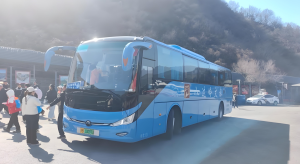
Several services depart from areas such as Qianmen (前门) and Dongzhimen (东直门). One published Beijing tourist-bus route lists Qianmen departures and a reference ¥80 round-trip fare. Services marketed as MuBus (慕巴士) also depart from the Dongzhimen area on selected schedules.
From central Beijing, allow roughly 1.5–2 hours each way, sometimes longer in heavy traffic.
Before booking, verify these four details: the exact meeting point, departure time, return time, and whether the park shuttle is included. Some operators allocate roughly four or five hours at Mutianyu; others may offer different lengths of stay.
Don’t assume an advertised “¥80 Great Wall day trip” includes admission, the cable car, or a guide. Read the package description carefully.
For non-Chinese speakers, I strongly recommend saving the departure-point name in Chinese. You can also follow our guide to using Amap and other navigation apps in China to find the correct exit and meeting location.
Option 2: Local buses — cheapest, but more complicated
Budget travelers can start at Dongzhimen Transport Hub, take Bus 916 Express (916快) toward Huairou, and change to a local Huairou bus toward Mutianyu. Published routes include services such as H23, H24, H35 or H36, depending on current operations and where you transfer.
An example route is: Dongzhimen → 916 Express → Huairou Beidajie → local connecting bus → Mutianyu.
Plan two to three hours or more each way, including waits. Check the current connection on a Chinese local map app before leaving, because local bus numbers and service frequency can change.
If you don’t speak Chinese and have just one day, the direct tourist shuttle is generally less stressful.
Option 3: DiDi, taxi, or private car — good for families
If you’re traveling with three or four people, children, or older relatives, a booked car may be more convenient. A direct drive from central Beijing often takes around 1.5–2 hours, depending on your starting point and traffic.
For a private driver, get a written quotation confirming tolls, parking, waiting time, and the return journey to your hotel. A normal one-way ride-hailing booking is not an all-day car charter.
Before setting off, work out the journey back to Beijing. A ride that’s easy to arrange in the city may take longer to find in a mountain tourist area.
4. Cable Car, Chairlift, and Toboggan: What’s the Difference?
This is probably the single most useful thing to understand before buying your Mutianyu tickets. There are two separate mountain-transport systems, and you cannot swap tickets between them.
Enclosed cable car: Best for most first-time visitors

The enclosed gondola cable car goes up toward the area around Watchtower 14. You sit inside a cabin and enjoy views of the mountains and the Wall climbing over the ridges.
With a reference return price of ¥140, this is the option I’d choose for a straightforward first visit. Ride up, walk west for as far as you feel comfortable, turn around, and come back to the same cable-car station.
Important: A return cable-car ticket means you return on that cable-car system. It doesn’t pay for the toboggan ride at the other end of the Wall.
Open-air chairlift: A different ride near Watchtower 6
The chairlift takes visitors up toward Watchtower 6, using exposed hanging seats rather than enclosed cabins. It’s more of an open-air mountain experience, but it won’t suit everyone—especially visitors who dislike heights or have difficulty boarding moving lifts.
Check all height, age, mobility and weather restrictions with the operator. The chairlift isn’t the same thing as the enclosed cable car.
Toboggan: A fun way back down

Mutianyu’s toboggan is an alpine slide: visitors sit in a small wheeled sled and descend along a fixed track, controlling speed as instructed by the operator.
A popular combination is chairlift up, toboggan down, around the Watchtower 6 area.
The ride can stop because of rain, snow, high winds, maintenance or operating restrictions. If it’s closed, you must follow the staff’s alternative descent arrangements rather than assuming another ticket is automatically valid.
Can you combine the two systems?
Potentially, but do not assume tickets are interchangeable. The enclosed cable-car company and chairlift/toboggan operator are separate, and their gates and upper stations aren’t in the same place.
A cross-Wall plan may involve a substantial walk between Watchtowers 14 and 6 as well as separate purchases. For a first visit, choosing one system for both directions is simpler.
5. Which Mutianyu Walking Route Is Best?
Mutianyu’s numbered watchtowers make navigation easier. The usual daytime visitor range is Watchtowers 1–20, although maintenance and weather can temporarily restrict specific sections.
Route A: Relaxed first-time visit
Enclosed cable car up → Watchtower 14 area → walk toward Watchtowers 15–18 → turn around → cable car down.
Allow approximately 1.5–2.5 hours on the Wall. You can stop whenever you’re ready. There’s no need to reach Watchtower 20 to have a worthwhile visit.

This is my favorite route for a casual traveler who wants memorable views without making the day overly exhausting.
Route B: More walking and photography
Cable car up → Watchtower 14 → continue toward Watchtowers 18–20 → return by the same route.
Allow around 2.5–4 hours depending on fitness, weather, photography stops and crowds. The western stretch becomes much steeper in places, especially toward Watchtower 20.
The best place to turn around is the point where you can still comfortably walk back to your lift before its last service. Walking the Wall isn’t a competition.
Route C: The toboggan experience
Chairlift up → Watchtower 6 area → explore nearby sections → return toward Watchtower 6 → toboggan down.
Choose this if the slide itself is a big part of the experience. Check its operating status, restrictions and bundled price before committing.
6. A Practical Mutianyu Great Wall Day Trip from Beijing
If you’re staying in central Beijing, taking an early direct shuttle, and using the enclosed cable car, here’s a realistic outline:
| Approximate time | Plan |
|---|---|
| 7:30–8:00 a.m. | Arrive at your confirmed bus meeting point |
| 8:00–10:00 a.m. | Bus journey to Mutianyu |
| 10:00–10:45 a.m. | Admission checks, scenic shuttle and cable car |
| 10:45 a.m.–1:00 p.m. | Walk the Wall near Watchtower 14 and toward the west |
| 1:00–2:00 p.m. | Descend, have lunch and rest |
| 2:00–3:00 p.m. | Return to the bus gathering point, allowing a buffer |
| After 3:00 p.m. | Return to Beijing at your operator’s actual departure time |
This is a planning example, not a fixed bus timetable. If your tour bus leaves at 2:30 p.m., finish earlier; if it leaves at 4:00 p.m., you may have more time.
I’d keep this day for the Great Wall alone. Trying to squeeze the Forbidden City into the same day creates a long, rushed schedule. Give that landmark a separate visit with our Forbidden City ticket and walking-route guide.
7. What to Eat Near Mutianyu Great Wall
There are restaurants, small food outlets and drink stalls around the scenic-area service zone. Huairou also has countryside restaurants serving home-style dishes and local produce.
For a shorter visit, I’d pack some water and light snacks, enjoy the Wall, and have lunch after coming down. You don’t need to carry a large picnic up the steep steps.
If you have more time, Huairou is known for country-style meals, including vegetables and dishes featuring rainbow trout. Remember that fish at tourist restaurants may be charged by weight rather than per plate.
Check whether a fish or other dish is priced per serving or per jin (斤). One Chinese jin equals 500 grams. Ask whether preparation or cooking fees are extra.
For help with shared dishes, Chinese menus and QR ordering, see our first-timer’s guide to ordering food in Chinese restaurants.
But don’t make a long detour for lunch if it means missing your scheduled return bus.
8. How Much Does a Mutianyu Day Trip Cost?
For one adult traveling from central Beijing on a direct tourist bus and taking the enclosed cable car, these are useful planning figures:
| Expense | Approximate cost per person |
|---|---|
| Round-trip tourist bus | Around ¥80 |
| Standard adult entry | ¥40 (or ¥45 postcard option) |
| Scenic-area shuttle, return | ¥15, unless included in your bus package |
| Enclosed cable car, return | ¥140 |
| Food and drinks | ¥40–80 |
| Souvenirs or optional activities | Your choice |
That makes the usual transport + entry + cable-car budget about ¥260–280 before food, depending on the ticket version and whether the scenic shuttle is included.
With a casual meal and drinks, roughly ¥300–360 per adult is a reasonable starting allowance.
Walking up without a cable car can save money, but it requires more fitness and time. No single ticket combination is best for everyone.
To avoid payment surprises in China, especially when a small operator doesn’t accept an overseas credit card directly, read our Alipay, WeChat Pay, bank-card and cash guide.
9. Six Common Mutianyu Mistakes to Avoid
Mistake 1: Thinking the entrance ticket includes every ride
It doesn’t. Admission, the internal shuttle, enclosed cable car, chairlift and toboggan may be separate charges. Read every booking inclusion before paying.
Mistake 2: Buying the wrong mountain-transport ticket
The enclosed cable car near Watchtower 14 and chairlift/toboggan near Watchtower 6 do not use interchangeable tickets. Decide which route you want first.
Mistake 3: Underestimating the transfer from the visitor center
The visitor center and main parking/service area are some distance from the wall-access points. The official ticketing instructions describe roughly three kilometers between the service-area shuttle station and the admission area. Reaching the parking lot is not the same as reaching the Wall.

Mistake 4: Not checking the return-bus deadline
Save your operator’s exact return meeting point, the latest time to arrive there, and a contact number. Allow time for the cable-car queue and scenic-area shuttle. Missing the bus could mean an expensive or difficult return journey.
Mistake 5: Buying an expensive tour without reading the inclusions
Some tours bundle transport, admission, guide services and optional shopping stops. That can be worthwhile, but confirm the total cost, time allowed on the Wall, shopping arrangements and cancellation rules before paying.
Mistake 6: Underestimating the Wall’s physical demands
Even if you ride a lift, some steps are steep or irregular. Wear grippy shoes, carry water, and use sun protection. In icy weather, slow down or change your plans. Never climb barriers or enter closed sections.
10. What’s the Best Time of Year to Visit Mutianyu?
Spring and autumn are my favorites. The temperature is often pleasant for walking, and the hills look beautiful.
- April–May: Fresh green growth and comfortable spring walking conditions, though the weather can be variable.
- September–October: Often excellent for walking. Mid-to-late October can bring spectacular fall colors.
- June–August: Lush forests, but sometimes hot, humid or stormy. Stay alert to lightning and heavy-rain warnings.
- November–March: Colder, with possible snow or ice; lift and toboggan operations may be adjusted.

For a first visit, I’d try to avoid the National Day holiday period in early October if possible, and choose an ordinary weekday. Even then, expect that the busiest towers and photo viewpoints can attract queues.
If the weather is severe, follow official notices instead of feeling obliged to climb simply because you’ve already booked transport.
Final Thoughts: The Easiest Way to Enjoy Mutianyu Great Wall
For a first-time visitor to Beijing, Mutianyu is an excellent place to experience the Great Wall: stone watchtowers, long ridgelines, and mountain views that make the history feel tangible.

You don’t need to push yourself to every tower or buy an expensive package. Book with your passport, take a reputable direct bus from the city, choose the enclosed return cable car if you want the easiest option, and walk only as far as you’re comfortable.
If the toboggan is high on your wish list, plan a separate chairlift-and-slide itinerary around Watchtower 6 instead.
And if you have another afternoon in Beijing, consider a very different historic experience: wandering old neighborhoods with our Beijing hutong half-day walking route.
Information reviewed October 2026. Admission options, ticket availability windows, opening hours, shuttle routes, bus schedules and lift operations can change by season or weather. Always check the official Mutianyu site and your transport operator before departure.